
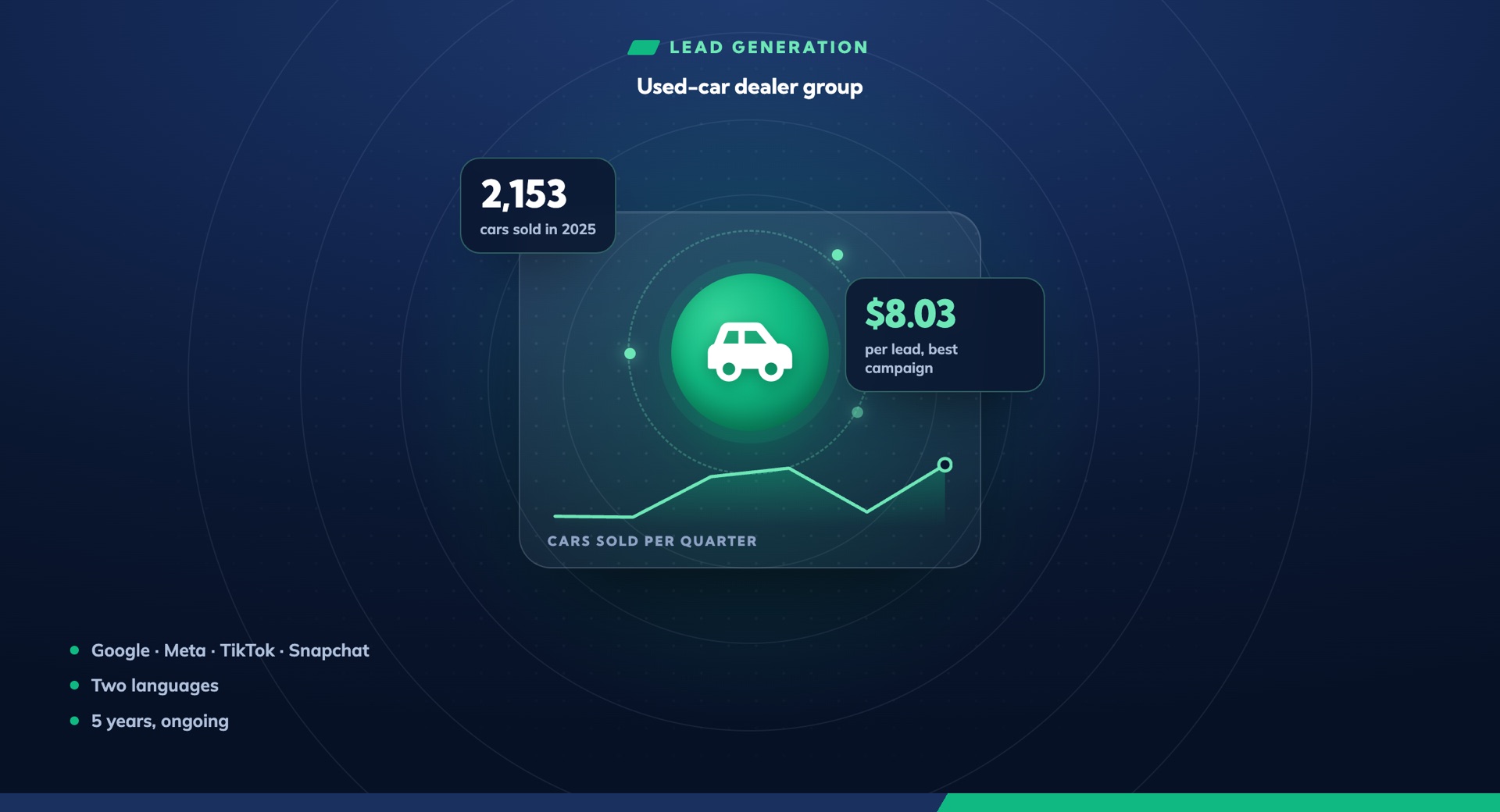
A used-car dealer group with four lots sells to people the banks have turned down, with financing and a small down payment. It never needed more clicks. It needed credit applications a salesperson could close the same day. For five years we have run its acquisition across six platforms and two languages, and moved the whole operation from counting leads to counting cars sold.
The situation
Plenty of enquiries, and no way to tell which ones bought
When we first reviewed the accounts, the pixel was unverified, analytics was not linked, and nothing ran on Search, YouTube or TikTok. The ads were reaching people, but nobody could say which of them bought a car.
Later, as volume grew, a full tracking audit went through every form, conversion action and CRM connection, so each sale could be traced back to the platform that started it.
What we found
- Pixel unverified, analytics not linked
- No Search, YouTube or TikTok presence
- No lookalike audiences or exclusions
- Duplicate forms and conversion actions blurring which platform drove each sale
What we built
- Every lot with its own ad sets, in both languages
- A tracking audit of every form and conversion action
- CRM grades fed back to Meta and Google as audiences
- Reports built on cars sold and down payments
What we did
Six moves over five years
-
One structure for four lots and two languages
Every platform runs an ad set per lot, plus a second-language ad set across all of them. Ads run only in sales hours, so a rep can call back while the buyer still has the phone in hand.
-
Objectives tested side by side
Messages, instant forms and website applications ran against each other. Website applications cost about twice as much but qualified far better, and real inventory carousels beat every other format.
-
Search built around intent
Long-tail searches like “$500 down car lots near me” and “buy here pay here near me” got their own ad groups. In the third quarter of the search build, cost per lead fell from $44 at launch to a low of $7.98.
-
Offers that move the lot
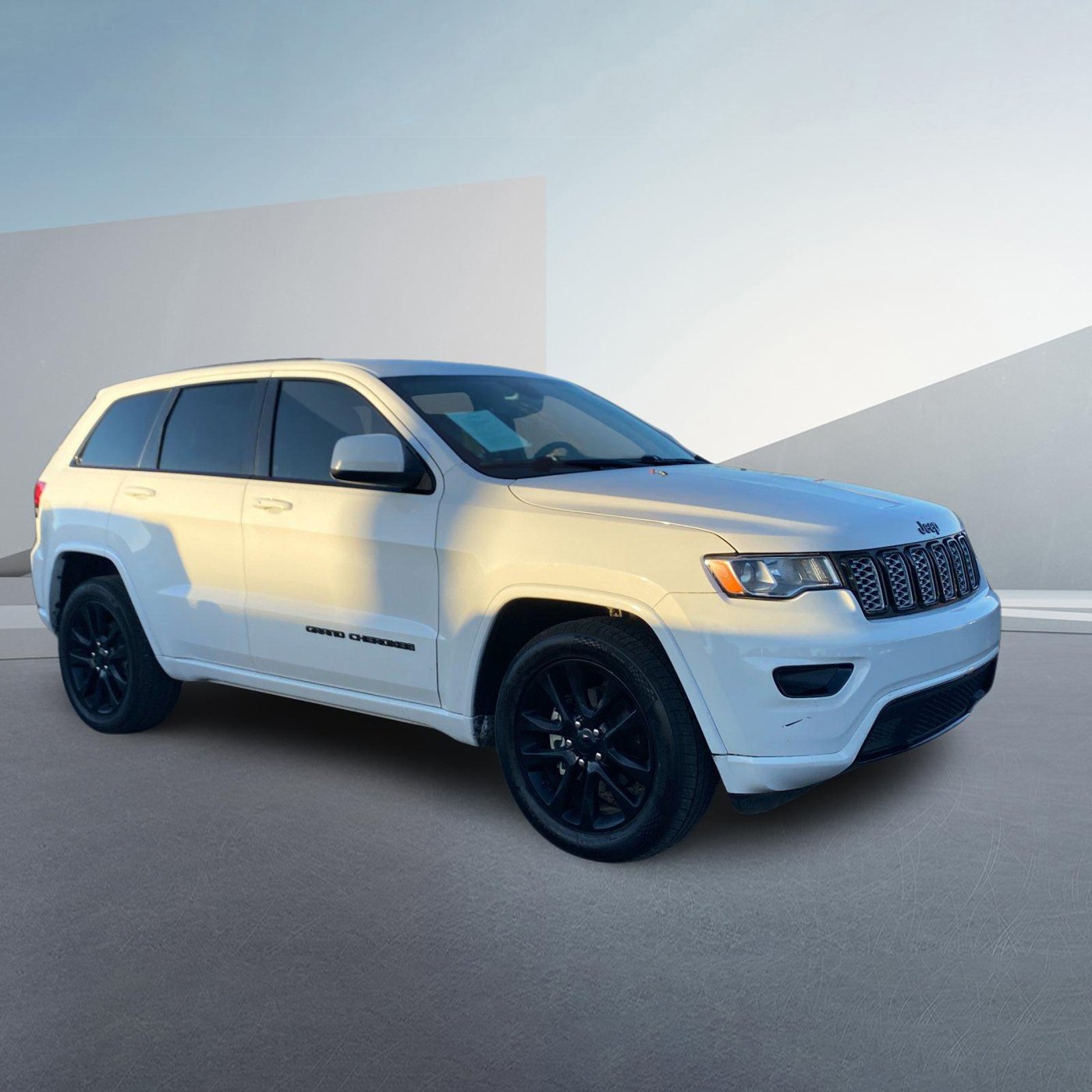
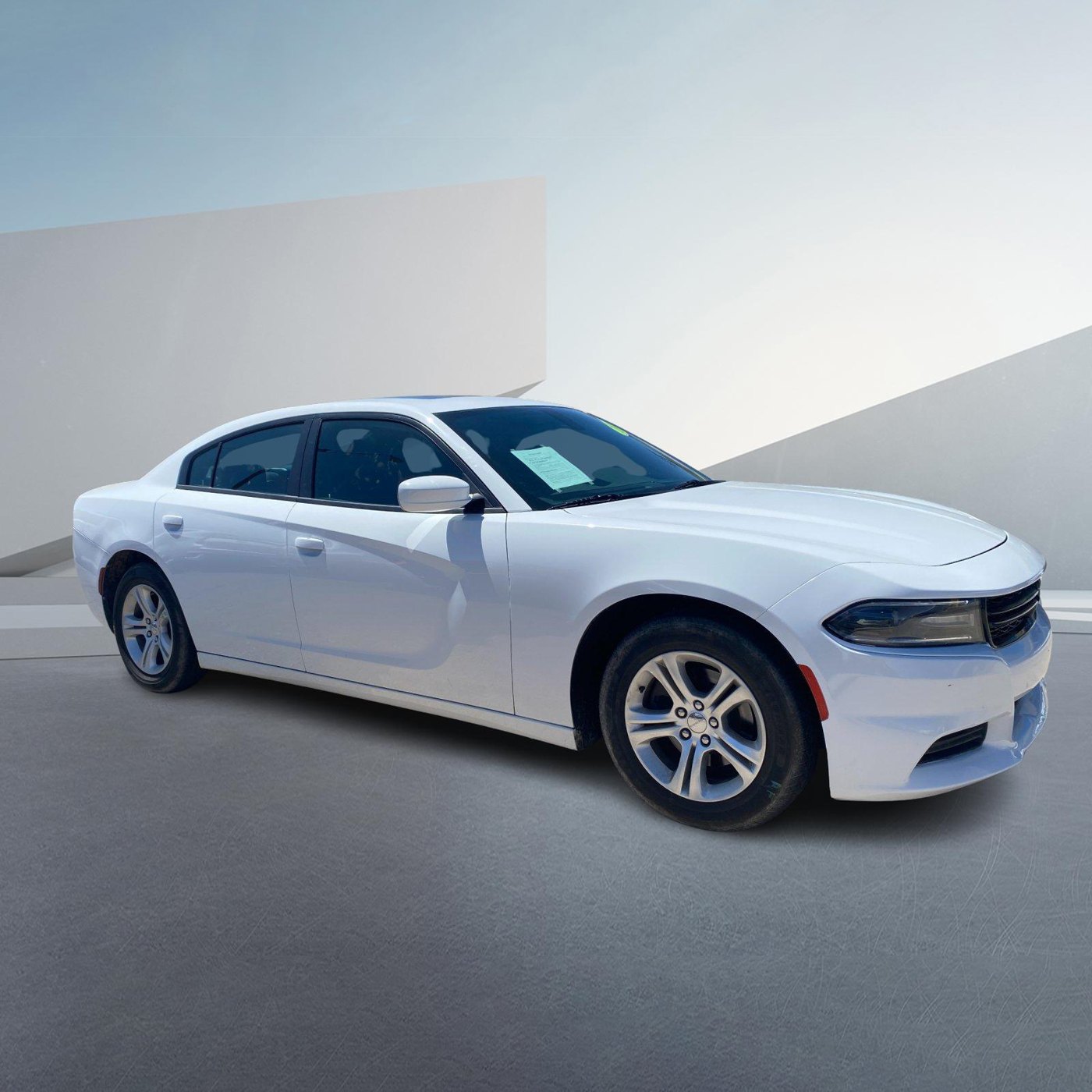
$500 down and drive, $399 to drive, $99 down and holiday sales events, each with its own creative. Later rounds added AI presenter videos and an audio spot.
-
Auditing the tracking
The audit set out how forms, conversion actions and CRM records should feed back into Google, so the ad platforms learn from applications instead of clicks.
-
Grading buyers and feeding the best back
The dealership grades every applicant. Grades A to D close at 20 to 26%; grade E closes at 3%. The best-graded buyers from both of the owner’s dealerships became the seed for lookalike audiences.
Share of credit applications that became a sale, by buyer grade
Turning point
The quarter that changed the budget mix
We moved budget towards website applications on Meta and TikTok. Volume went up and cost went down in the same quarter.
One quarter of restructuring
The work
Real inventory, simple offers

Results
Where the latest year landed
By the latest full year the group was taking in tens of thousands of enquiries a year, and the report we send each quarter ends with the number the owner cares about: cars sold, and the down payments that came with them.
What made the difference
The number that mattered lived in the CRM. Once every enquiry carried a grade from the CRM, budget could follow the buyers who actually drive off the lot, and the cost per lead stopped being the goal.